
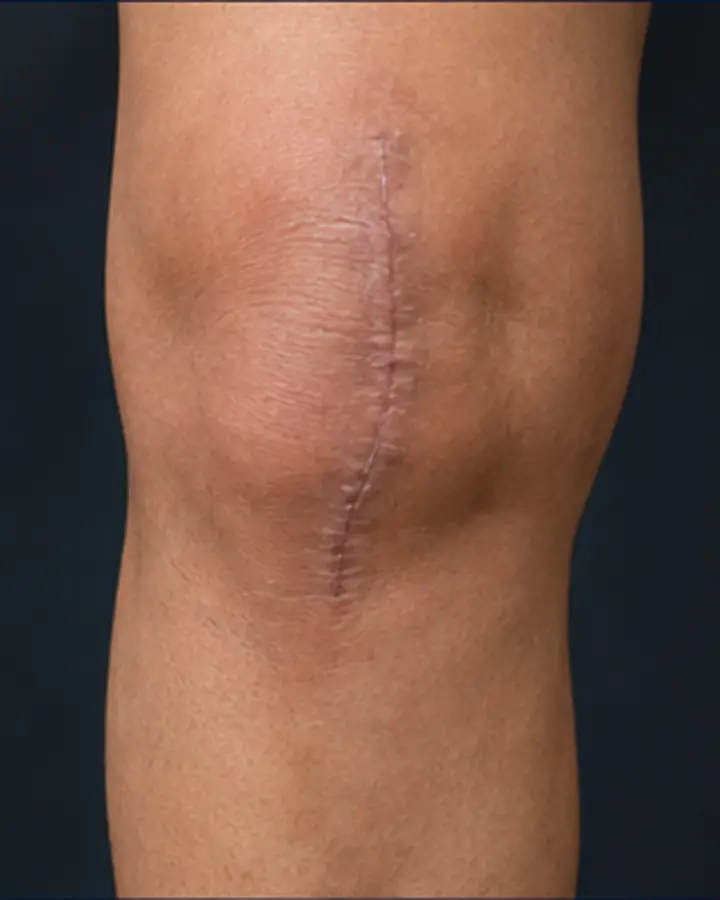
This guide provides general education and does not diagnose a condition or replace individual medical or physiotherapy assessment.
Rehabilitation begins with the procedure
Post-operative rehabilitation is guided by the surgery performed, the surgeon’s protocol, tissue-healing timeframes and the individual’s health and goals. Rehabilitation after a joint replacement will differ from rehabilitation after ligament reconstruction, tendon repair or fracture fixation.
Early rehabilitation
- Understanding precautions and restrictions
- Managing swelling and stiffness
- Restoring safe movement
- Using crutches or mobility aids correctly
- Maintaining strength in unaffected areas
- Building confidence with everyday tasks
Progressive rehabilitation
As healing permits, exercise progresses from basic movement and muscle activation to meaningful strength and function. The program may include balance, stairs, lifting, walking endurance, gym-based exercise, hydrotherapy or work- and sport-specific tasks.
Progress is based on clinical response and functional milestones, not simply the number of weeks since surgery.
Common operations supported by physiotherapy
- Knee replacement and arthroscopy
- ACL and other knee-ligament surgery
- Hip replacement
- Rotator cuff and shoulder surgery
- Fracture fixation
- Ankle and foot surgery
- Upper-limb surgery
Planning the return to normal activity
A successful return involves more than regaining range of movement. Strength, endurance, control and confidence need to match the intended activity. Clear goals make it easier to measure progress and decide when the next stage is appropriate.
Official links
Read the source for this topic.
Each link below opens the specific government or scheme page used for this guide.
Raby & Gledswood Hills