
This guide provides general education and does not diagnose a condition or replace individual medical or physiotherapy assessment.
What changes during immobilisation?
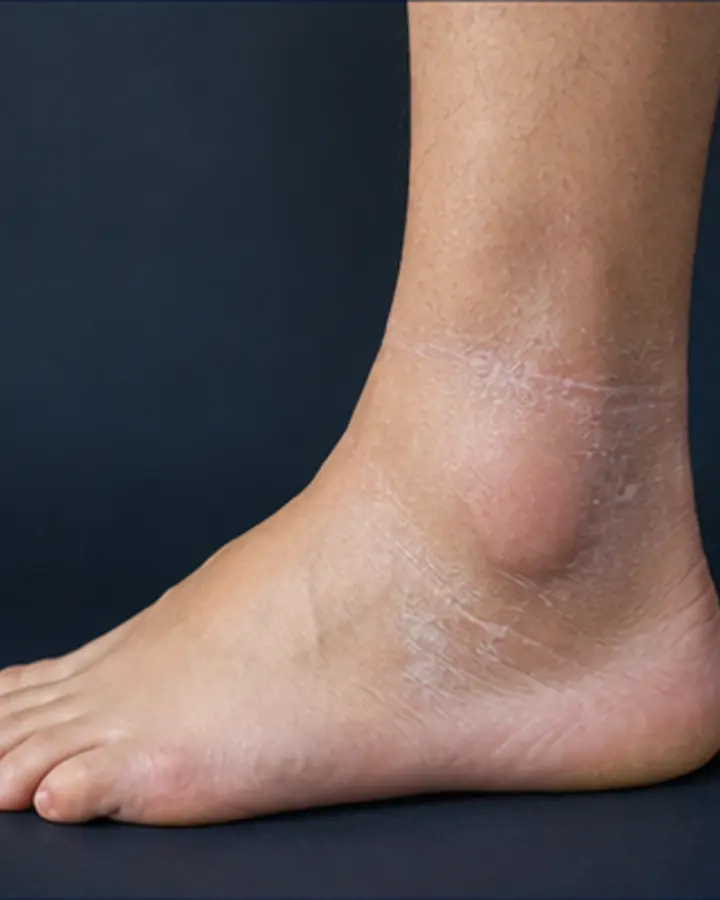
A cast, brace or walking boot protects a healing fracture, but the protected area commonly becomes stiff and weak. Swelling may persist, nearby joints can lose movement and walking or upper-limb function may feel unfamiliar when support is removed.
The amount of change depends on the fracture, location, time immobilised, surgery, weight-bearing restrictions and the person’s activity before the injury.
The first rehabilitation priorities
- Understanding current medical and weight-bearing instructions
- Managing swelling and discomfort
- Restoring comfortable joint movement
- Re-establishing safe walking or upper-limb use
- Reviewing crutches, walkers or other mobility aids
- Beginning appropriate muscle activation
Rebuilding movement and strength
Rehabilitation is progressed in stages. Movement is restored without forcing the healing area beyond its current tolerance. Strengthening begins at an appropriate level and advances towards daily tasks such as stairs, lifting, work duties or sport.
After a lower-limb fracture, gait retraining is often important. A limp can persist after the bone has healed because of weakness, stiffness, pain or reduced confidence.
Casting and splinting within physiotherapy
Depending on the injury and clinical circumstances, physiotherapy fracture management may include casting, splinting and advice about mobility aids. Care is coordinated with medical, imaging or orthopaedic services when required.
Returning to normal activity
Bone healing is only one part of recovery. The final stage aims to restore enough movement, strength, balance and endurance for the person’s usual work, home, recreational or sporting demands.
Official links
Read the source for this topic.
Each link below opens the specific government or scheme page used for this guide.
Raby & Gledswood Hills