
This guide provides general education and does not diagnose a condition or replace individual medical or physiotherapy assessment.
Understanding Wrist osteoarthritis
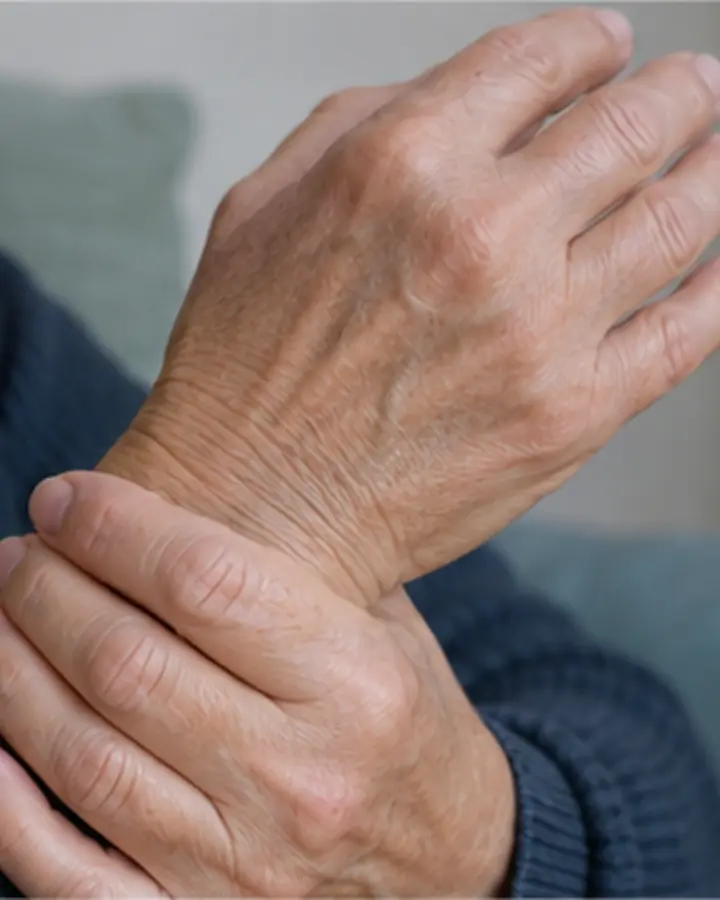
Wrist osteoarthritis is a joint condition that can affect pain, stiffness, confidence and tolerance for everyday loading. Symptoms and imaging findings do not always match, so management is guided by the person’s function as well as the diagnosis.
The diagnosis describes the starting point, not a complete treatment plan. Severity, irritability, medical history, previous injury and the demands of work or sport all influence rehabilitation.
Symptoms and physiotherapy assessment
Assessment aims to confirm the most likely pain or injury pattern, identify current limitations and decide whether physiotherapy is appropriate or medical investigation is needed.
- Pattern of pain and morning stiffness
- Joint movement, strength and walking or upper-limb function
- Current activity, flare pattern and recovery
- Features that may need medical review
Treatment and early management
Early treatment is matched to the examination. It should protect irritable or healing tissue without creating avoidable stiffness, weakness or fear of movement.
- Education and a tolerable activity plan
- Movement and symptom-modification strategies
- Manual therapy when it supports an active program
- Coordination with a GP for medicines or further investigation when required
A staged rehabilitation plan
Rehabilitation progresses from settling the current problem to rebuilding the physical qualities the person needs. Exercises are selected and adjusted according to response rather than copied from a one-size-fits-all list.
Later rehabilitation can include wrist control, grip and pinch strength, dexterity, weight bearing through the hand and graded return to tools, keyboards, lifting or sport.
- Progressive strength through a comfortable range
- Aerobic or general conditioning that can be sustained
- Practice of stairs, lifting, walking or reaching
- A flare-management plan that avoids unnecessary long-term rest
Returning to work, exercise or sport
Progress is judged by improved capacity, recovery after activity and confidence with meaningful tasks—not by trying to make every sensation disappear before moving.
A useful return plan increases one variable at a time—such as duration, load, speed, range or complexity—then checks the response during the activity and over the following day.
When medical review is important
Arrange medical review for a hot and markedly swollen joint, fever, unexplained rapid deterioration, major trauma or an inability to bear weight.
If the diagnosis is uncertain or progress is not following the expected pattern, the plan should be reviewed and referral arranged where appropriate.
Official links
Read the source for this topic.
Each link below opens the specific government or scheme page used for this guide.
Raby & Gledswood Hills