
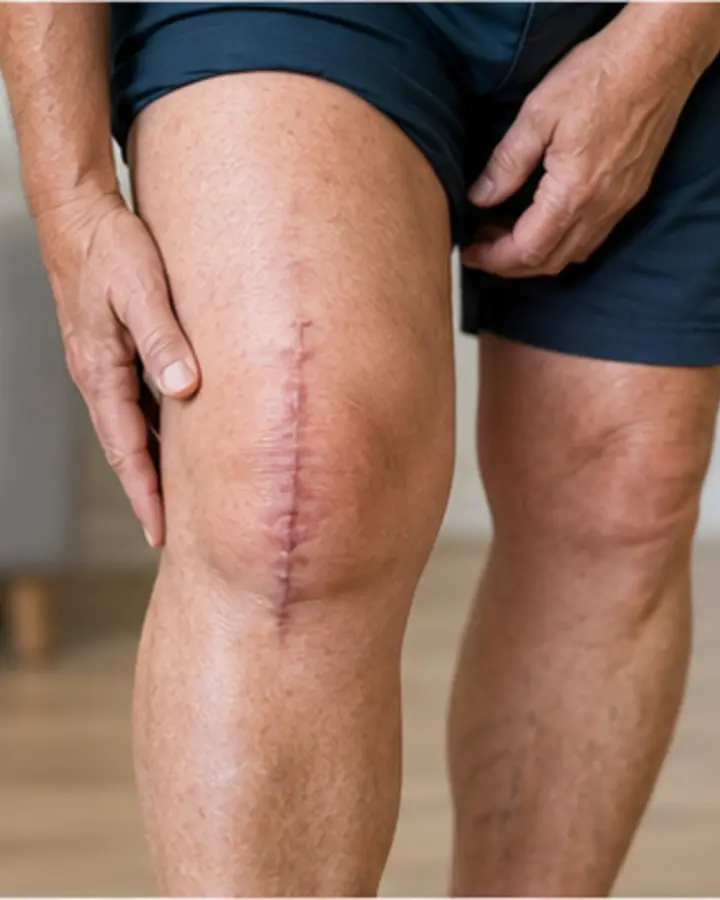
This guide provides general education and does not diagnose a condition or replace individual medical or physiotherapy assessment.
Understanding Total knee replacement rehabilitation
Total knee replacement rehabilitation must follow the procedure performed, surgeon’s instructions, tissue-healing timeframes and any restrictions. The same operation can still require an individual plan based on swelling, movement, strength and goals.
The diagnosis describes the starting point, not a complete treatment plan. Severity, irritability, medical history, previous injury and the demands of work or sport all influence rehabilitation.
Symptoms and physiotherapy assessment
Assessment aims to confirm the most likely pain or injury pattern, identify current limitations and decide whether physiotherapy is appropriate or medical investigation is needed.
- Operation and surgical protocol
- Wound status, swelling and pain behaviour
- Current precautions, range and muscle activation
- Mobility-aid use and functional goals
Treatment and early management
Early treatment is matched to the examination. It should protect irritable or healing tissue without creating avoidable stiffness, weakness or fear of movement.
- Protect the repair and follow surgical restrictions
- Manage swelling and regain permitted movement
- Use crutches, sling or other aids safely
- Maintain conditioning and strength in unaffected areas
A staged rehabilitation plan
Rehabilitation progresses from settling the current problem to rebuilding the physical qualities the person needs. Exercises are selected and adjusted according to response rather than copied from a one-size-fits-all list.
Later rehabilitation can include quadriceps and hamstring strength, single-leg control, stairs, running, landing, deceleration and planned then reactive change of direction.
- Progress range and strength at the permitted stage
- Retrain walking, reaching, stairs or lifting
- Add balance, endurance and impact when criteria are met
- Prepare for the exact work, recreation or sport demands
Returning to work, exercise or sport
Progress should be milestone-based as well as time-aware. Clearance is coordinated with the surgeon and treating team when required.
A useful return plan increases one variable at a time—such as duration, load, speed, range or complexity—then checks the response during the activity and over the following day.
When medical review is important
Seek urgent medical care for chest pain, shortness of breath, coughing blood or a painful swollen calf. Contact the surgical team promptly for wound drainage, fever, escalating redness, unexpected severe pain or a sudden loss of previously regained function.
If the diagnosis is uncertain or progress is not following the expected pattern, the plan should be reviewed and referral arranged where appropriate.
Raby & Gledswood Hills