
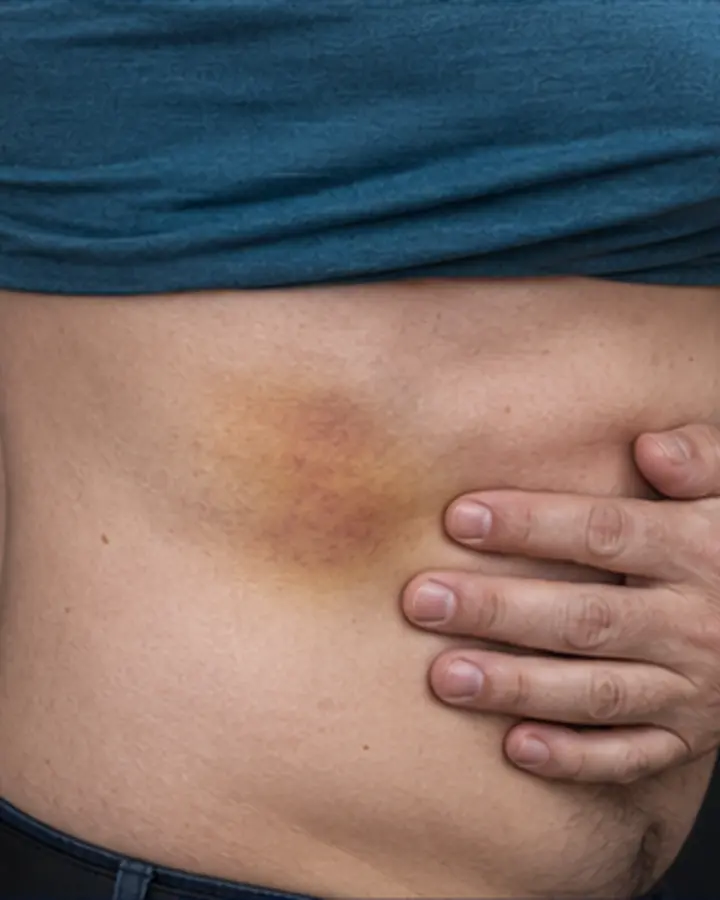
This guide provides general education and does not diagnose a condition or replace individual medical or physiotherapy assessment.
Understanding Rib fracture rehabilitation
Rib fracture rehabilitation requires confirmed medical diagnosis and a plan that respects bone healing, stability, surgery and any weight-bearing or lifting restrictions. Physiotherapy supports protection, mobility and the recovery of function around that medical plan.
The diagnosis describes the starting point, not a complete treatment plan. Severity, irritability, medical history, previous injury and the demands of work or sport all influence rehabilitation.
Symptoms and physiotherapy assessment
Assessment aims to confirm the most likely pain or injury pattern, identify current limitations and decide whether physiotherapy is appropriate or medical investigation is needed.
- Fracture location, imaging and current medical instructions
- Cast, brace, splint or walking-boot requirements
- Swelling, joint movement and muscle activation
- Walking, grip, lifting or other functional limitations
Treatment and early management
Early treatment is matched to the examination. It should protect irritable or healing tissue without creating avoidable stiffness, weakness or fear of movement.
- Confirming protection and weight-bearing instructions
- Safe use of a sling, crutches, walker or other aid
- Swelling management and movement of unaffected joints
- Prompt communication with medical or orthopaedic care when symptoms change
A staged rehabilitation plan
Rehabilitation progresses from settling the current problem to rebuilding the physical qualities the person needs. Exercises are selected and adjusted according to response rather than copied from a one-size-fits-all list.
Later rehabilitation can include thoracic rotation, breathing with movement, pushing and pulling, lifting and a gradual return to contact or overhead activity where relevant.
- Restore movement after immobilisation without forcing healing tissue
- Progress strength and load once medically permitted
- Retrain gait, grip or upper-limb use
- Build towards work, stairs, lifting, running or sport-specific demands
Returning to work, exercise or sport
X-ray healing is only one milestone. Return also depends on movement, strength, balance, control and the demands of the person’s work or sport.
A useful return plan increases one variable at a time—such as duration, load, speed, range or complexity—then checks the response during the activity and over the following day.
When medical review is important
Call emergency services for new or severe chest pain, breathing difficulty, fainting, coughing blood or other acute illness. Pain after significant trauma or with fever also requires prompt medical assessment.
If the diagnosis is uncertain or progress is not following the expected pattern, the plan should be reviewed and referral arranged where appropriate.
Official links
Read the source for this topic.
Each link below opens the specific government or scheme page used for this guide.
Raby & Gledswood Hills