
This guide provides general education and does not diagnose a condition or replace individual medical or physiotherapy assessment.
Understanding Quadriceps tendinopathy
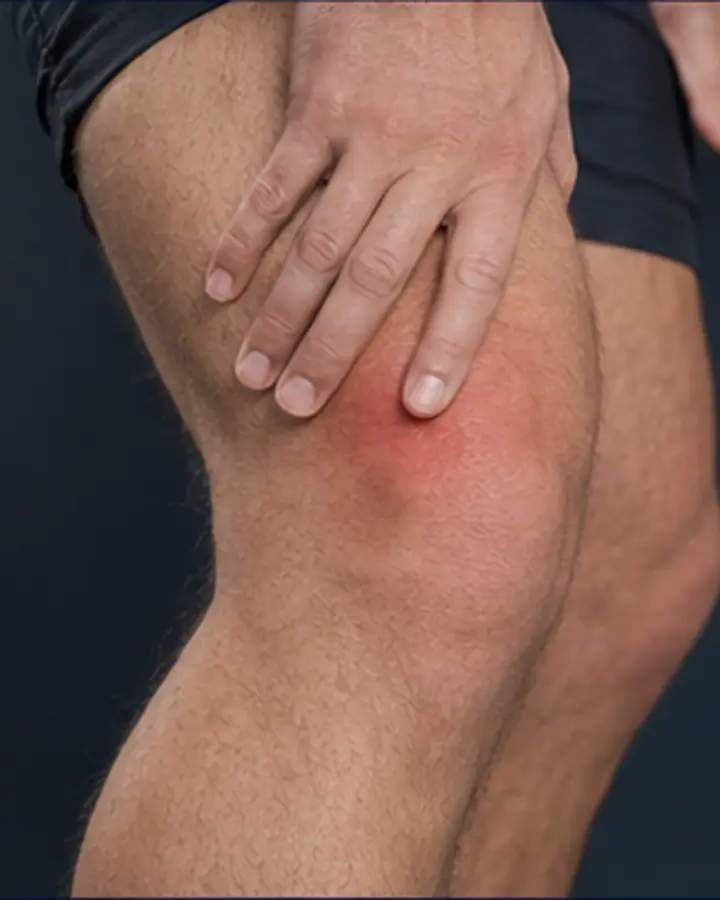
Quadriceps tendinopathy is usually a load-related tendon problem, although acute tears can occur. Tendon pain often changes with activity and may improve during warm-up before returning later or the following morning.
The diagnosis describes the starting point, not a complete treatment plan. Severity, irritability, medical history, previous injury and the demands of work or sport all influence rehabilitation.
Symptoms and physiotherapy assessment
Assessment aims to confirm the most likely pain or injury pattern, identify current limitations and decide whether physiotherapy is appropriate or medical investigation is needed.
- Pain location and response to loading
- Recent change in training, work or equipment
- Strength and endurance of the involved muscle-tendon unit
- Whether an acute tear or another diagnosis is possible
Treatment and early management
Early treatment is matched to the examination. It should protect irritable or healing tissue without creating avoidable stiffness, weakness or fear of movement.
- Adjust rather than automatically stop all activity
- Use an appropriate starting load to reduce irritability
- Address movement or equipment factors that materially change load
- Set next-day response rules for progression
A staged rehabilitation plan
Rehabilitation progresses from settling the current problem to rebuilding the physical qualities the person needs. Exercises are selected and adjusted according to response rather than copied from a one-size-fits-all list.
Later rehabilitation can include quadriceps and hamstring strength, single-leg control, stairs, running, landing, deceleration and planned then reactive change of direction.
- Progress from controlled loading to heavier resistance
- Train through useful ranges and both slow and faster contractions
- Add energy-storage work such as hopping or throwing when relevant
- Rebuild repeated work, running or sport exposure
Returning to work, exercise or sport
Tendons need progressive load. The final program should prepare the tissue for the speed, repetition and peak force of the intended activity.
A useful return plan increases one variable at a time—such as duration, load, speed, range or complexity—then checks the response during the activity and over the following day.
When medical review is important
A sudden snap, major immediate weakness, visible change in contour or inability to use the limb may indicate rupture and needs prompt assessment.
If the diagnosis is uncertain or progress is not following the expected pattern, the plan should be reviewed and referral arranged where appropriate.
Raby & Gledswood Hills